Blog: Music Industry
Read our latest daily deep dives, hot takes, and exciting updates about the entertainment world. Check out the latest insight from your favourite analyst, or search by coverage areas - music, entertainment and fandom, creator economy, audio and social.
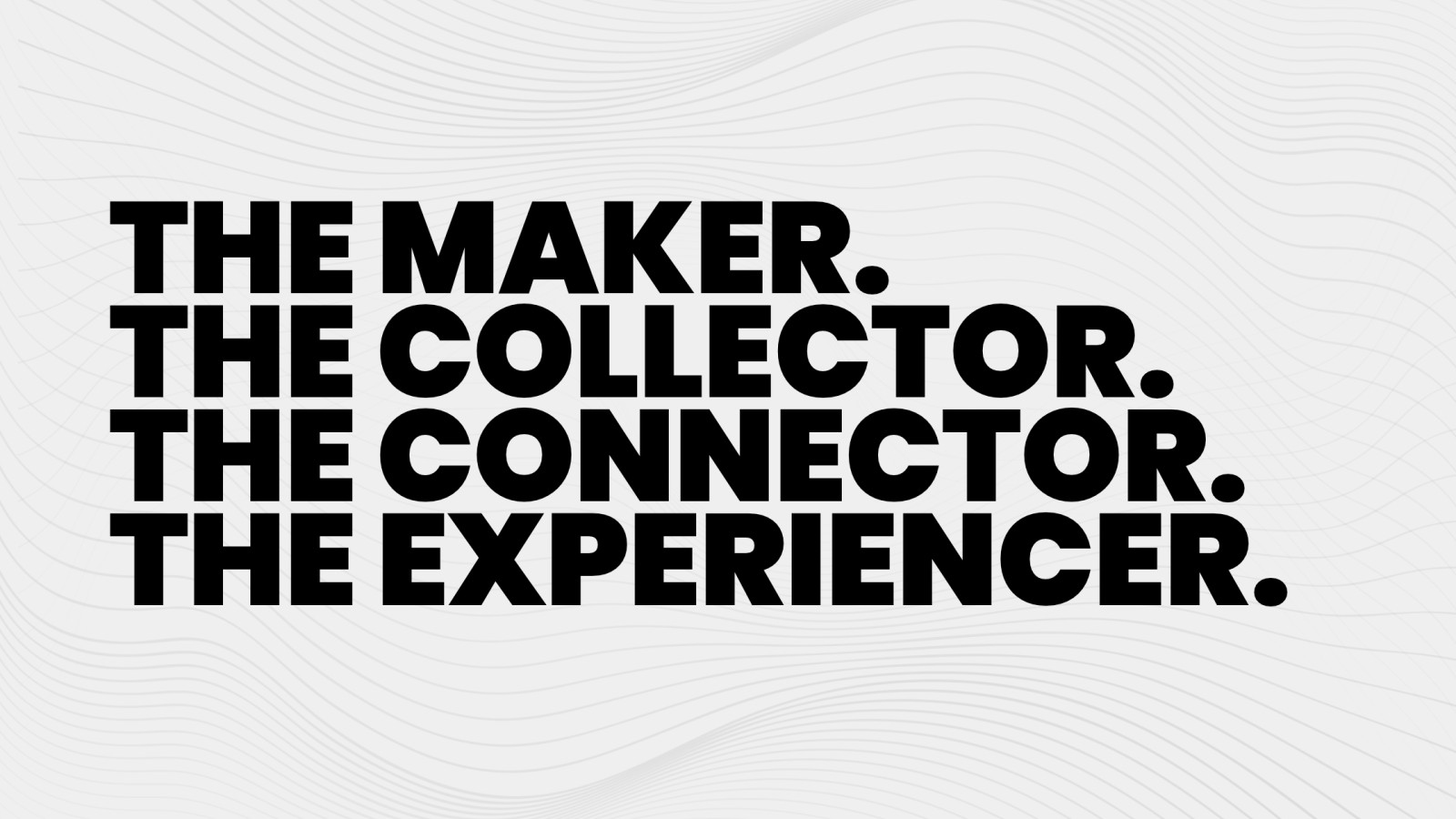
Fandom is not “one-size-fits-all”, but rather an amalgamation of different engagement types and levels of activity. In last year’s Defining entertainment superfans report, MIDiA began to demystify engagement by creating four core fan archetypes according to how fans engage with their favourite...
The road to 2033: Forecasting ARPU has never been more difficult nor more important
This client-only series takes a deeper look at the key themes shaping MIDiA’s 2026–2033 global music forecasts report and what they mean for the future of the music business. The growing maturity of the streaming music market brings with it increased sophistication and need for attention to deta...
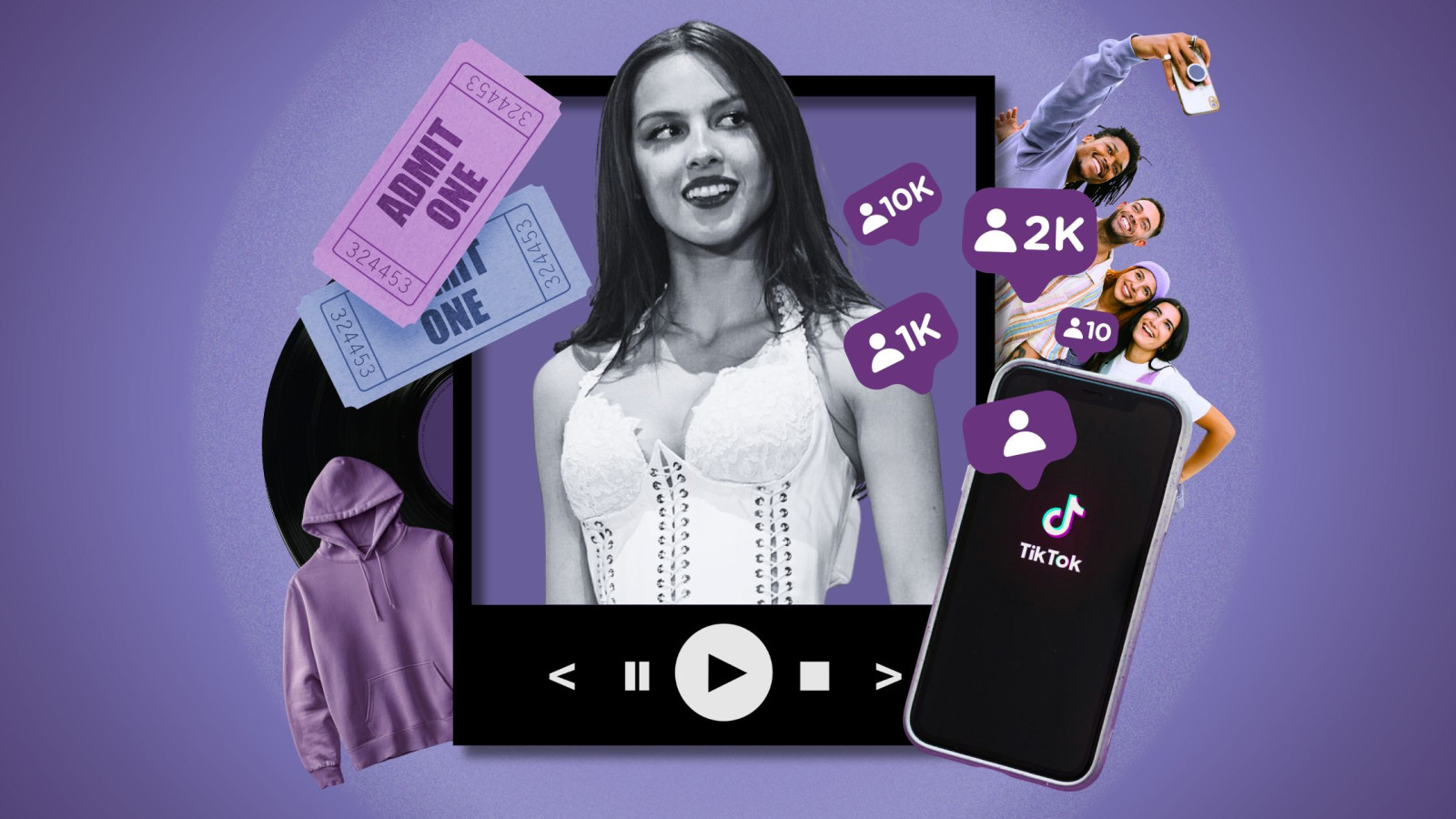
When the math stops mathing: Fandom signals in the agentic AI era
Artists understand their audiences largely through their actions. Following, liking, subscribing, opening an email, buying merch, buying a ticket, waiting in line – each of these efforts creates attachment and signals a different level of commitment.
Beyond the stream: Live’s innovation moment
Is live music approaching a golden era of innovation? At a concert, the merchandise queue asks a slightly absurd question: how much of the show would you miss for merch? A committed fan is ready to spend, yet the experience makes them choose between buying and watching.
K-pop as culture: Fandom learnings from BTS and KCON LA
K-pop is known as a genre built around fandom-focused live experiences, whether that’s concerts or fan-run events, and it’s been a busy few months for K-pop fans in the US. In August, I attended CJ ENM’s three-day K-pop convention KCON LA, as well as two dates on BTS’s massive ARIRANG world ...
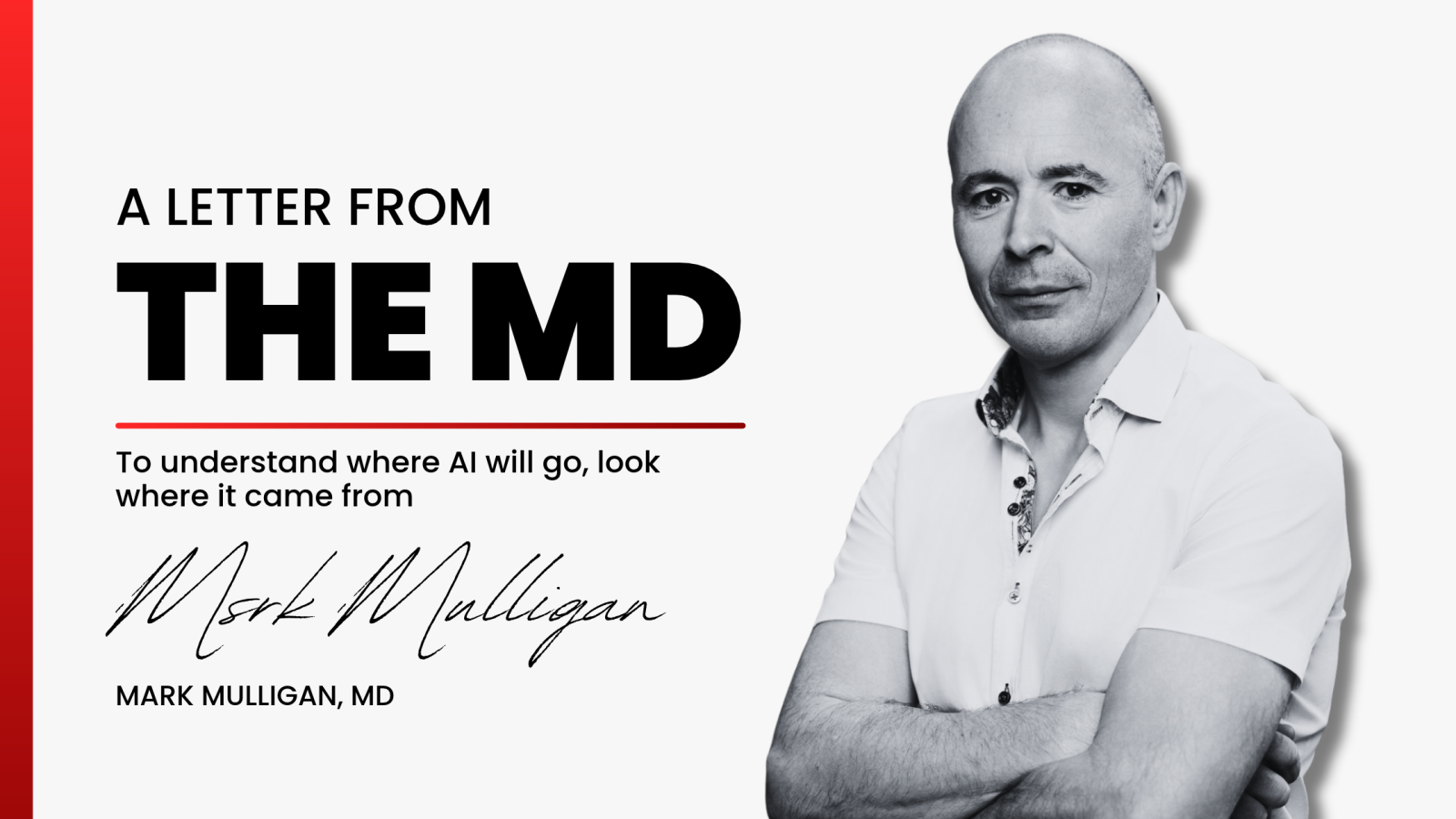
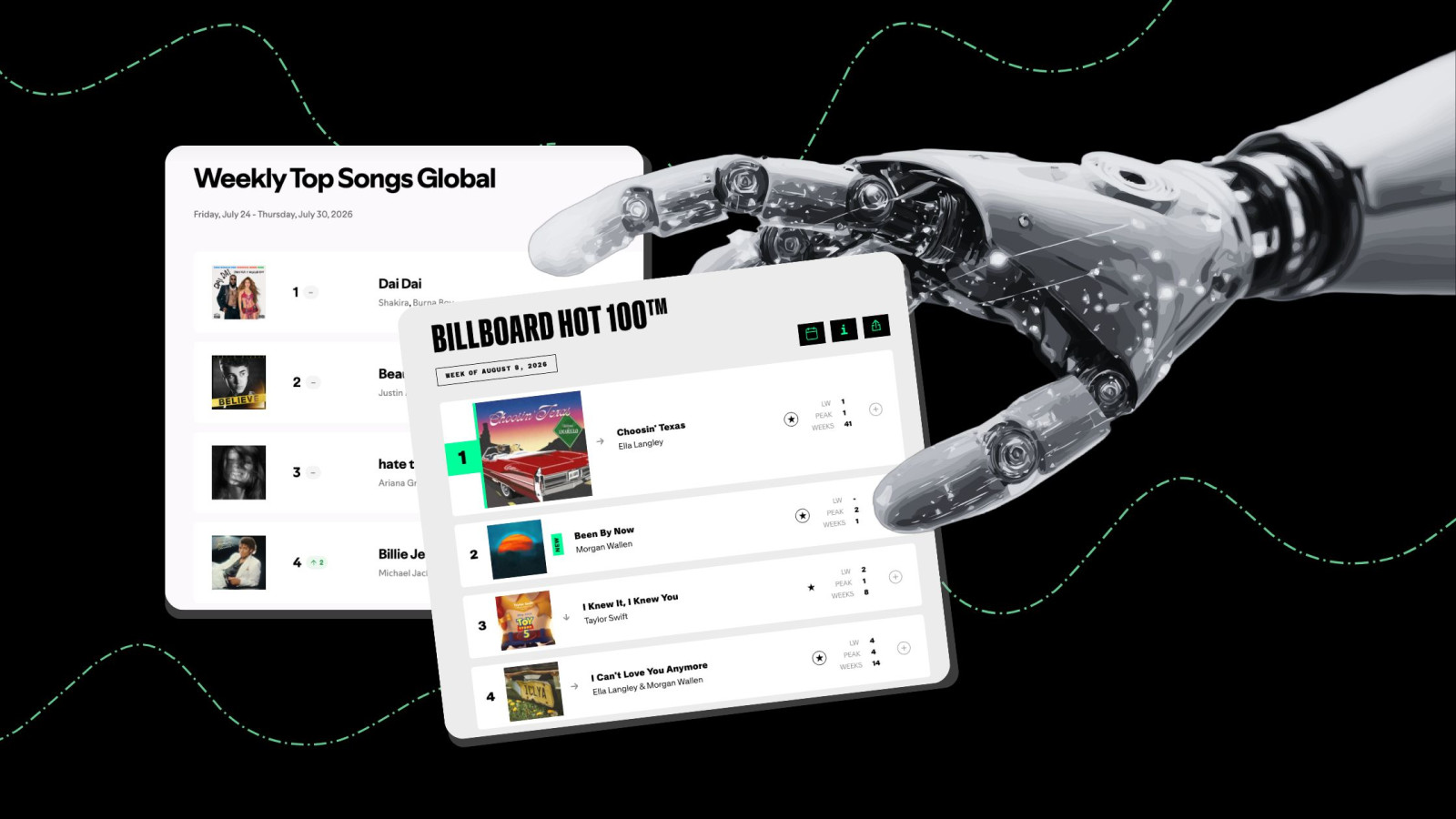
To understand where AI will go, look at where it came from
AI, in its widest sense, is a massive unknown. While whistleblowers claim it is already out of control, others suggest this is AI company scaremongering to help justify their huge valuations. Both can be true.
Music is losing in the attention economy
Young people are spending fewer hours listening to music, and in particular, music is occupying a smaller share of teenager's time than it used to. The decline in weekly hours spent listening to music sits in contrast with nearly every other entertainment format increasing its time with younger audi...
Seoul traders: How Korean labels are building beyond the song
On a Sunday in August 2025, I approached the O2 Forum Kentish Town to see an act I had heard plenty about. On this warm August afternoon, the main attraction was flamboyant, distinctive, petite in size and, by all accounts, electric.
The road to 2033: The fan economy surges ahead
This client-only series takes a deeper look at the key themes shaping MIDiA’s 2026–2033 global music forecasts report and what they mean for the future of the music business. Expanded rights have become one of the music industry’s biggest growth stories, with label revenue from participation i...
The road to 2033: Streaming’s shifting balance of power
This client-only series takes a deeper look at the key themes shaping MIDiA’s 2026–2033 global music forecasts report , and what they mean for the future of the music business. How much did global music streaming subscription revenue grow in trade and retail terms? Global music streaming subscri...
A case for ownership
In the old world, media often lived in physical formats and, by inference, had a sense of permanence. Consumers built collections of CDs, DVDs, games discs, and books. Digital replaced ownership with access, proclaiming to be a wholly good thing.
Music as a cultural infrastructure business
Suno is introducing deliberate friction to pump the brakes on the AI-powered superabundance it helped create. By implementing download caps (per Variety ), the company is putting guardrails around how much music users can output.
Are music fans ditching digital or embracing it? Both – welcome to the "cultural multiverse"
The analogue revival is not a novel concept – MIDiA first explored the idea that consumers are embracing analogue or ‘old’ technology in response to digital fatigue in 2024’s analogue revival report .
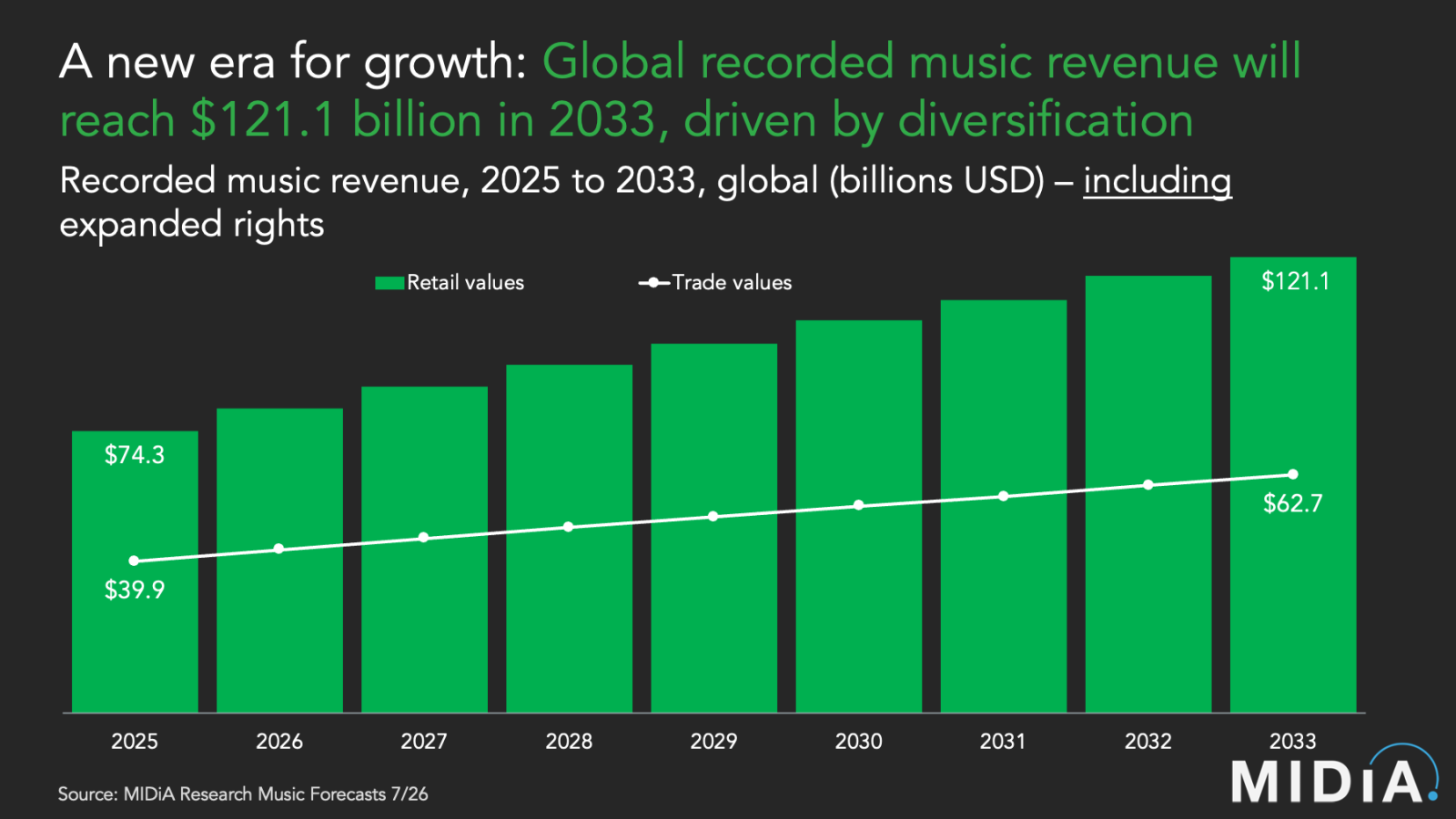
MIDiA Research 2026–2033 global music forecasts | A diversifying market
This blog post was co-authored by MIDiA's Head of Data, Perry Gresham , and Vice President of Music Strategy, Tatiana Cirisano . It’s now mid-summer, which can only mean one thing at MIDiA: our annual global music forecasts have arrived.
Why have we yet to hear an AI-generated hit?
The biggest fears AI stokes are most often rooted in displacement. Generative AI music models are trained on vast quantities of existing music and capable of producing songs that are catchy, enjoyable, and even beautiful.
Why music is not enough for an artist fan club
With 90,000 AI-generated tracks uploaded to Deezer every day (at the time of writing), AI-generated music now constitutes the majority of new releases on the platform. Music was an oversaturated world before AI, with 60,000 tracks released a day in 2021, but a threefold increase in five years makes ...
What it takes to make a music streaming subscriber switch services
For years, choosing a music streaming service was perhaps less of a decision than an accident. At least in Western markets, the major DSPs have offered similar catalogue, feature sets, and user interfaces, giving consumers little reason to choose one over another.
The biggest album launches happen off streaming – here’s how it can win them back
Album marketing rollouts are moving to centre stage as a growing number of artists and labels incorporate interactive experiences into their digital album promotions. For example, with Olivia Rodrigo’s recent release you seem pretty sad for a girl so in love , TikTok launched an in-app experience ...
Gender inequity in creative industries is a structural problem. It's time we addressed it like one
Gender inequity in creative industries is often treated as a series of one-off incidents – individual acts of bias, isolated pay gaps, or a singular unsafe workspace. This fragmented view is, itself, part of the problem.
The future of the music creator economy
AI is a black swan event for music, intertwining the futures of the creator economy and the music industry. The number of gen AI music monthly active users (MAUs) nearly tripled between 2023 and 2025, adding nearly nine times as many users as the global base of musicians over the same period.